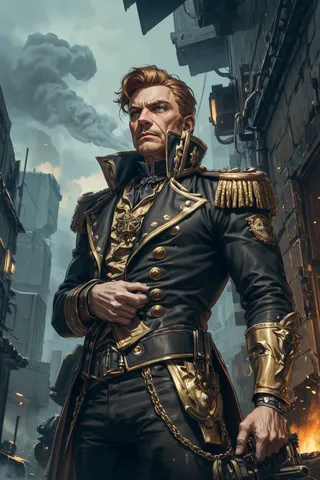
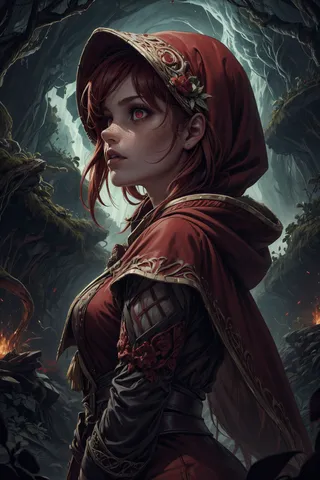
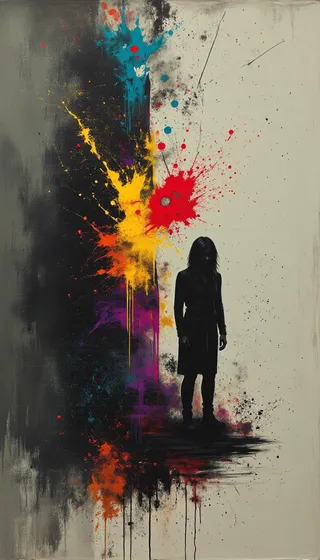
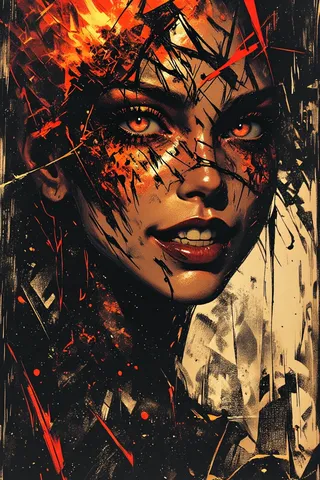
Impasto Oil Painting Style - Variant 3 (Florence2)
Highlighted images

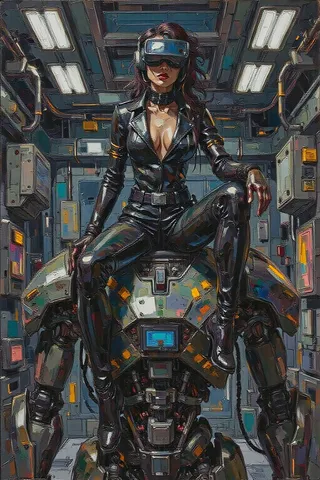
Recommended Parameters
samplers
steps
cfg
resolution
other models
Tips
Apply a thick layer of paint effect for best results.
Works better for landscapes, less effective on people.
Try Euler or Euler_A samplers if the effect is too strong.
Experiment with different weight combinations of Variants 1 and 2 to dial the paintstroke tendency.
Brushstrokes become more rectangular and pronounced when used with the 4 steps Schnell LoRA.
Version Highlights
I want to see if I can make the LoRA produce more "natural" brushstrokes. So I used images captioned with Florence 2, and removed images that have more "rectangular" brush strokes from the training set. The result does seem to work. This is probably going to be the last variant of this LoRA 😹.
To give you some idea of the images that went into the training set, you can see this post, which was created using the Florence 2 captions for the training set.
This is epoch 11 from 12 epochs. The rest can be found here: tensor. art/models/804233992246203471/Impasto-Oil-V6-CapD6A3Cos5-2024-12-06-19:09:36-Ep-11
FLUX.1 - dev-fp8
Trigger: impasto oil painting
Repeat: 20 Epoch: 12 17 512x512 image (* 20 12 17)=4080 steps
Unet LR: 0.0005
Scheduler: cosine
Optimizer: AdamW
Network Dim: 6 Alpha: 3
Prompt: impasto oil painting of punk sailor moon playing a guitar at a heavy metal mosh pit, tattoos, pearcing
Sampler: dpmpp_2m
Epoch Loss
1 0.441
2 0.4??
3 0.415
4 0.406
5 0.381
6 0.383
7 0.376
8 0.356
9 0.351
1 0.328 <- lowest
11 0.330 probably test this one first
12 0.342
Apply a thick layer of paint to your canvas. Works better with landscape, weaker on people. All the examples are using DPM++ 2M with the SGM Uniform scheduler at 20 steps or 5 steps with the Schnell LoRA. If you find the effect too strong, try Euler or Euler_A instead.
Variant 3 was trained with Florence 2 captioning, in the hope that the brushstroke will be more "targeted". The training set differs slightly from Variant 2 in that a few images with "rectangular" brushstrokes have been removed. This is probably going to be the last variant of this LoRA 😹.
The different between variant 1 and variant 2 are not big but noticeable. Variant 1 has the tendency to produce trees, and the brush strokes can be more rectangular. One can also try different weight combinations of the two variants to dial up one or the other.
Variant 2 has more of an oil painting effect on people, but the brush stroke can seem to be more random. Colors also seem to be slightly more vibrant with Variant 2?
Brushstrokes tend to be more rectangular and more pronounced when this LoRA is used together with the 4 steps Schnell LoRA. To see the difference, you can compare the sample gallery against this post and this post, which are generated 20 steps without the use of the 4 steps Schnell LoRA.
To give you some idea of the images that went into the training set, you can see this post, which was created using the Florence 2 captions for the training set.
You can find other epochs of Variant 1 here: tensor. art/models/802426665713054686/Impasto-Oil-V1-NoCapD6A6Cos6-2024-12-01-23:22:40-Ep-10
Epoch 5 in particular is worth trying: tensor. art/models/802413737861519059
All epochs of Variant 2 can be found here: tensor. art/models/803870187041456795/Impasto-Oil-V5-NoCapD6A3Cos5-2024-12-04-19:44:33-Ep-10
All epoch of Variant 3 can be found here: tensor. art/models/804233992246203471/Impasto-Oil-V6-CapD6A3Cos5-2024-12-06-19:09:36-Ep-11
Here is what ChatGPT has to say about the subject
The impasto technique is a painting method where thick layers of paint are applied to a surface, creating a textured, three-dimensional effect. The term "impasto" comes from the Italian word for "paste" or "dough," reflecting the dense, sculptural quality of the paint.
Key Characteristics
Thick Paint Application: Paint is applied so thickly that brushstrokes or palette knife marks are clearly visible.
Texture: The raised areas of paint create physical texture, adding depth and dimension to the artwork.
Light and Shadow: The ridges and grooves of the paint catch and reflect light differently, enhancing the sense of movement and energy in the piece.
Expressive Style: Impasto is often associated with bold, expressive work due to the dramatic texture and emphasis on the artist's gestures.
How It’s Done
Tools: Artists typically use a palette knife, bristle brushes, or fingers to apply thick paint.
Paint: Impasto works best with heavier paints like oil or acrylic, which retain their shape and thickness. Mediums or additives can also be mixed into paints to increase their viscosity.
Layering: The technique may involve layering wet paint over wet (wet-on-wet) or letting layers dry between applications.
Purpose and Effects
Emotional Impact: Impasto conveys a sense of immediacy and intensity, emphasizing the artist’s physical interaction with the canvas.
Focus on Gesture: Visible strokes draw attention to the process of creation, making the technique itself part of the artwork's meaning.
Surface Interest: Adds tactile and visual interest, making the surface more engaging.
Realism or Abstraction: Can be used to create lifelike texture (e.g., the fur of an animal) or to emphasize abstraction through expressive strokes.
Historical and Modern Use
1. Old MastersEarly use of impasto can be seen in the works of artists like Rembrandt and Titian, who used it sparingly to add emphasis and realism, such as highlights on clothing or the glint in an eye.
Vincent van Gogh is famous for his bold, swirling impasto strokes, particularly in works like The Starry Night, where the technique conveys emotion and movement.
Claude Monet also used impasto in his textured landscapes, capturing light and atmosphere.
Expressionists such as Edvard Munch and later painters like Jackson Pollock and Willem de Kooning used impasto as a way to communicate raw emotion and energy.
Contemporary artists continue to use impasto to experiment with texture, depth, and interactivity in their work.
Advantages and Challenges
AdvantagesCreates dynamic, tactile artworks.
Enhances visual interest through light and shadow interplay.
Adds a physical and emotional dimension to the painting.
Requires skill to control the paint and achieve desired effects.
Thick layers may take a long time to dry, especially with oil paints.
Can be costly due to the amount of paint used.
Famous Works Featuring Impasto
The Starry Night (Vincent van Gogh)
Self-Portrait (Rembrandt)
Woman III (Willem de Kooning)
The impasto technique is not only a method of painting but also a means of personal expression, allowing artists to leave a physical trace of their movements and emotions on the canvas. Its ability to bring vibrancy and depth to a piece ensures its continued popularity among painters.

Model Details
Model type
Base model
Model version
Model hash
Trained words
Creator

Discussion
Please log in to leave a comment.